Sweet Short Crust Pastry — Your Complete Guide
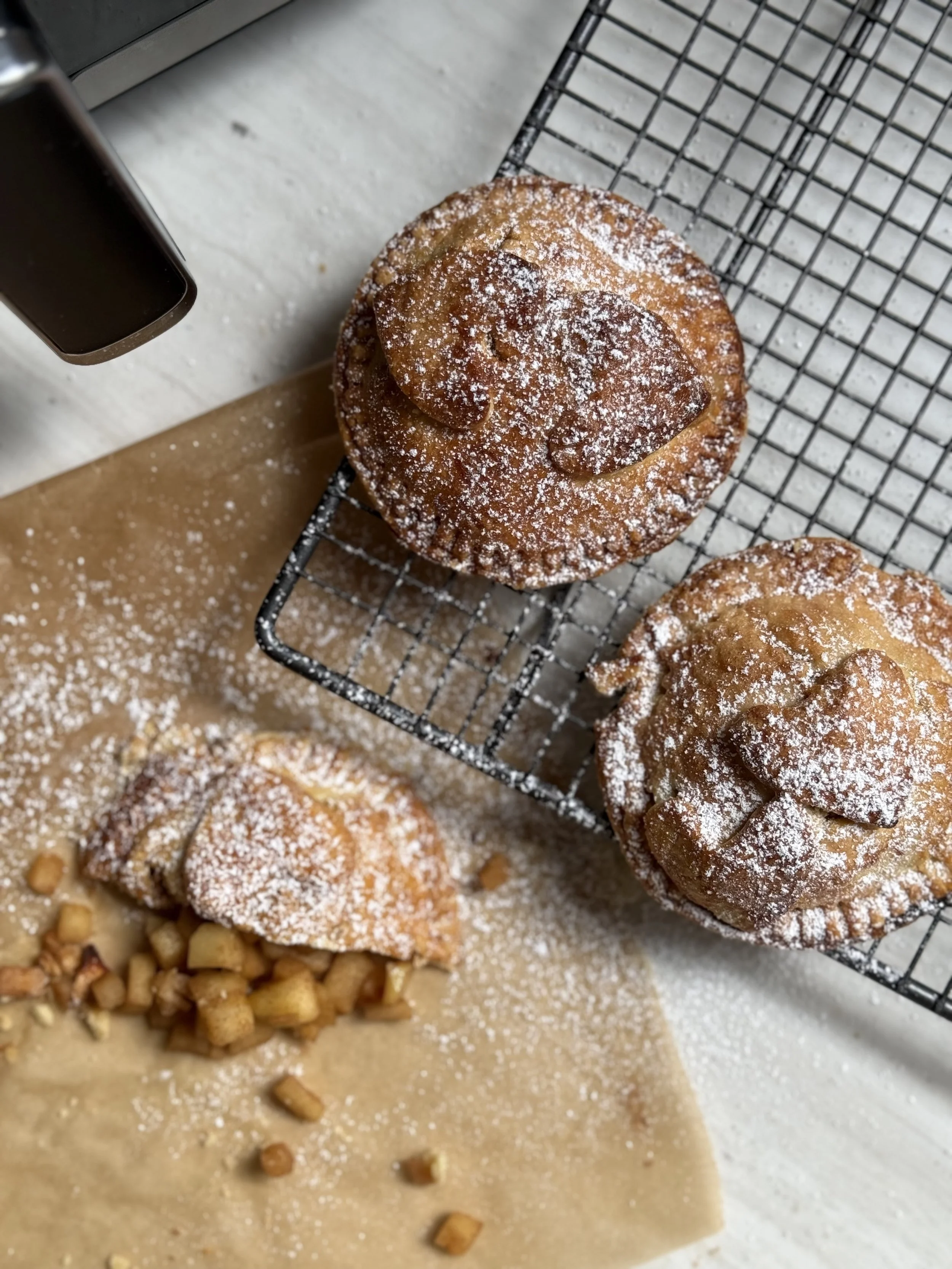
There are few things in baking that feel as satisfying as pulling a perfectly golden tart shell out of the oven. But I'll be honest, pastry has a reputation for being fussy, and that reputation isn't entirely undeserved. The good news? Once you understand why it behaves the way it does, it becomes a lot less intimidating and a lot more fun.
This is my go-to sweet short crust pastry. It's buttery, it's got a little citrus lift from orange zest, and it's sturdy enough to hold a filling without going soggy. Let me walk you through everything, tips, method, and all the little things I've learned from making this more times than I can count.
Why Sweet Short Crust Is Different
Sweet short crust (or pâte sucrée if you're feeling fancy) is different from regular shortcrust because of the added sugar and egg. The sugar gives it that beautiful, slightly crisp bite, and the egg helps it hold together without becoming tough. It's the pastry you want for tarts, sweet pies, and anything where the shell is as much a part of the experience as the filling.
The Golden Rules Before You Start
Keep everything cold. This is the number one rule of pastry, and it's not just baking folklore — it's science. Butter needs to stay cold so that when it hits the heat of the oven, it creates steam and gives the pastry that short, crumbly texture. The moment your butter starts to melt into the flour during mixing, you're on the road to tough pastry. Work quickly, work cold.
Cold hands make better pastry. Before you start, run your hands under cold water and dry them well. If it's a hot day, I'll sometimes put a bowl of ice water nearby and dip my hands between rubbing stages. A little extra effort, but your pastry will thank you.
Don't overwork it. Pastry is not bread. You're not trying to develop gluten here — in fact, you're trying to avoid it. As soon as the dough comes together, stop. Overworked pastry shrinks in the oven, becomes tough, and generally makes baking feel a lot less joyful than it should be.
Let it rest. This is non-negotiable. That 30-minute rest in the fridge isn't just about chilling the dough — it's letting the gluten relax so the pastry holds its shape when you roll and bake it. If you skip the rest, you'll notice the pastry shrinks as it bakes. Don't skip the rest.
The Recipe
Ingredients
280g plain flour
180g cold butter, cubed
40g caster sugar
Zest of 1 orange
1 egg
Method
Add the flour, butter and sugar to a large bowl. Using your fingertips, rub the butter into the flour until it resembles breadcrumbs. Work quickly you want to keep everything cold.
Add the orange zest and egg, then bring the dough together with your hands until it just comes together. Don't overwork it.
Flatten into a disc, wrap and refrigerate for at least 30 minutes.
Divide the dough roughly two-thirds and one-third. Roll the larger portion out on a lightly floured surface and line your 24cm tin, trimming any excess. Return to the fridge while you work on the lattice (or filling prep see notes below).
Roll the remaining dough out into an even rectangle and cut into 10 equal strips. Lay 5 strips parallel across a large lined tray with a small gap between each. Fold back every other strip halfway, then lay one strip perpendicular across the unfolded strips. Unfold the folded strips back down, then fold back the opposite alternating strips. Lay your next perpendicular strip across and repeat until all 5 vertical strips are in place. Refrigerate until needed.
Pastry Tips You'll Actually Use
Once you've got your dough made and rested, here's how I handle it from rolling to baking:
Use your rolling pin to transfer the pastry. Roll the pastry loosely over the pin, then unroll it over your tin. This way you're not stretching or tearing it trying to lift it with your hands, and you avoid the all-too-common hole-in-the-middle disaster.
Press the edges in with a ball of dough, not your fingers. Pinching the pastry into the corners with your fingers tends to thin it out unevenly. Instead, take a small piece of excess pastry, roll it into a little ball, and use it to gently press the pastry into the edges of the tin. Clean, even, and it works every time.
Blind bake with rice. I know dried beans get all the glory, but I use rice, plain, uncooked rice. It's reusable (just let it cool and pop it back in the jar), it moulds beautifully to the shape of the pastry, and it gives a really even bake. Line with baking paper, fill with rice, and bake until the edges are set and just starting to turn golden.
Seal with egg wash after blind baking. Once you remove the rice and paper, brush the base with a little egg wash and return it to the oven for a few minutes. This creates a seal so your filling doesn't soak into the pastry and turn the base soggy. This is one of those things that makes a genuinely noticeable difference, do it every time.
A Note on the Lattice
If you're making a lattice top, the fridge is your best friend. Once your strips are woven, pop the whole tray in the fridge until you're ready to use them — cold lattice strips hold their shape when transferred onto the filled tart and bake up beautifully. If they've gone a bit soft from handling, back in the fridge for 10 minutes before you use them.
Common Questions
Can I make this ahead? Yes, the dough keeps in the fridge for up to 3 days or in the freezer for up to a month. Wrap it tightly in plastic and let it thaw in the fridge overnight before using.
What if my pastry cracks when rolling? This usually means it's too cold and too stiff. Let it sit at room temperature for 5 minutes, then try again. If it's cracking at the edges, just press the cracks back together, the pastry is very forgiving at this stage.
What tin size does this recipe suit? This recipe is designed for a 24cm loose-bottomed tart tin. If you're using a different size, scale accordingly, as a rough guide, more tin area means slightly less pastry depth, and vice versa.
Happy baking! If you make this, I'd love to see it, tag me at @elliots.table and use the hashtag so I can find you.